.png)
Toei Animation & One Piece: The Racist Colorism Problem Nobody Wants To Admit?

Introduction:
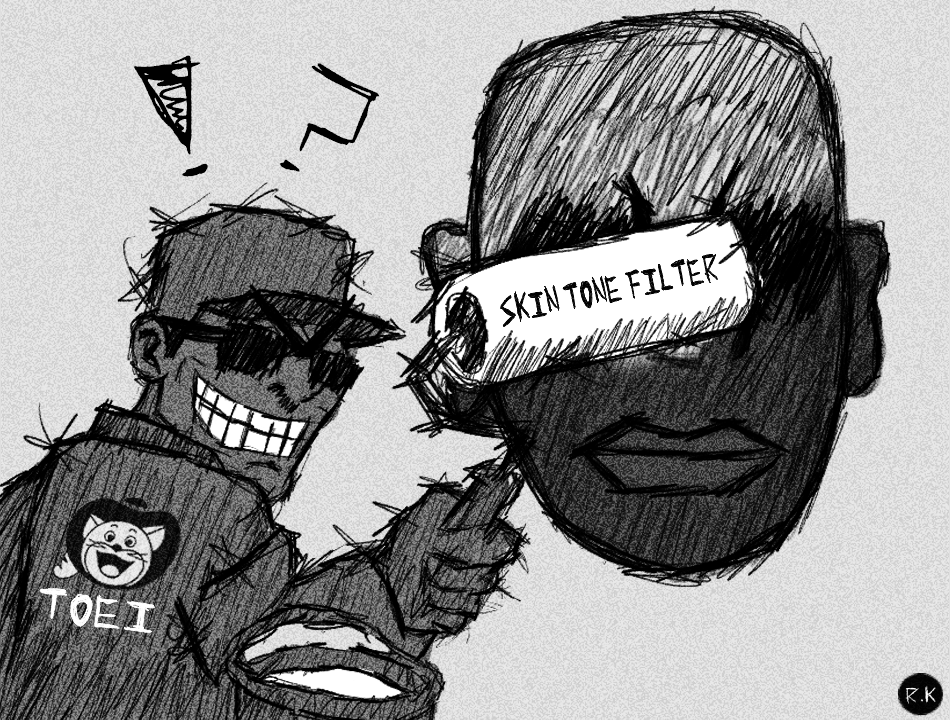
One Piece, the most overrated TV show in human history, where characters magically lose melanin the longer the series runs? No seriously. Somebody explain the skincare routine happening inside Toei Animation because the lighting in One Piece has apparently become strong enough to erase entire skin tones over time. What in the Vitiligo is going on over there at Toei Animation?
This is an awkward conversation; not only One Piece fans but the anime community in its entirety keep dodging like it’s filler content: Are Toei Animation and Eiichiro Oda racist against black people? Because at this point, watching older episodes versus newer episodes feels like comparing the “before and after” of Michael Jackson.
Heroes Compared To Villains:
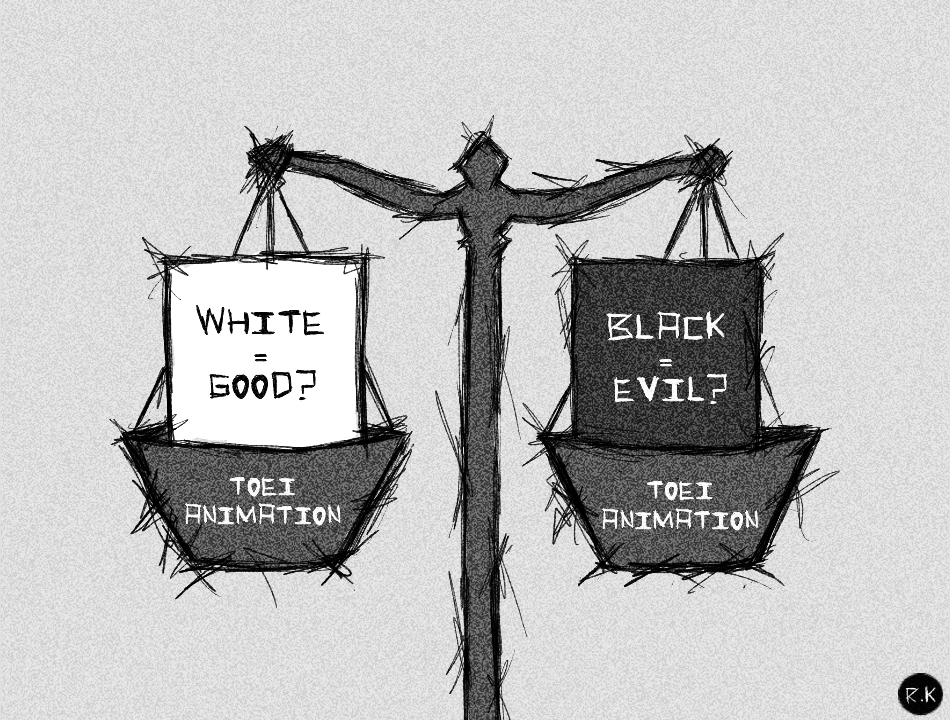
Look at Zoro. Look at Usopp. Look at Robin. Look at Franky. These are all characters who started the series looking visibly more brown-coded but somehow drifted toward the same universal anime beige filter everybody eventually gets baptized in. Meanwhile, the villains stay suspiciously committed to darker palettes.
And before the One Piece stans arrive with twelve-paragraph explanations about “lighting,” “post-time skip color correction,” and “manga consistency,” let’s stop pretending audiences are hallucinating patterns because the villain lineup in One Piece starts looking crazy once you notice it.
Mr. 1, Bellamy, Gedatsu, Ohm, Doflamingo. King, Kaido, Aokiji, Rocks D Xebec, Blackbeard, even Im, the mysterious final shadow overlord. The final boss of the entire series. Satan himself. The one who is responsible for all the big, bad events happening in the One Piece world is revealed to be of a darker complexion. Meanwhile, the heroes progressively evolve into luxury moisturizer commercials.
Society’s Beauty Standards:
Now, to be clear, this doesn’t mean Eiichiro Oda wakes up every morning thinking, “How can I be racist today?” Anime operates inside broader beauty standards deeply tied to colorism across many cultures, including Japan. Lighter skin has historically been associated with beauty, purity, and status in a lot of societies long before anime existed. Even till this day, whether we want to admit this shit or not!
But that’s exactly why the conversation matters. When audiences constantly see lighter characters framed as more heroic, more attractive, more trustworthy, and darker characters framed as intimidating, savage, chaotic, or villainous, eventually the pattern becomes part of visual language itself. Everything is subconscious.
Hypocrisy Of The Fanbase:
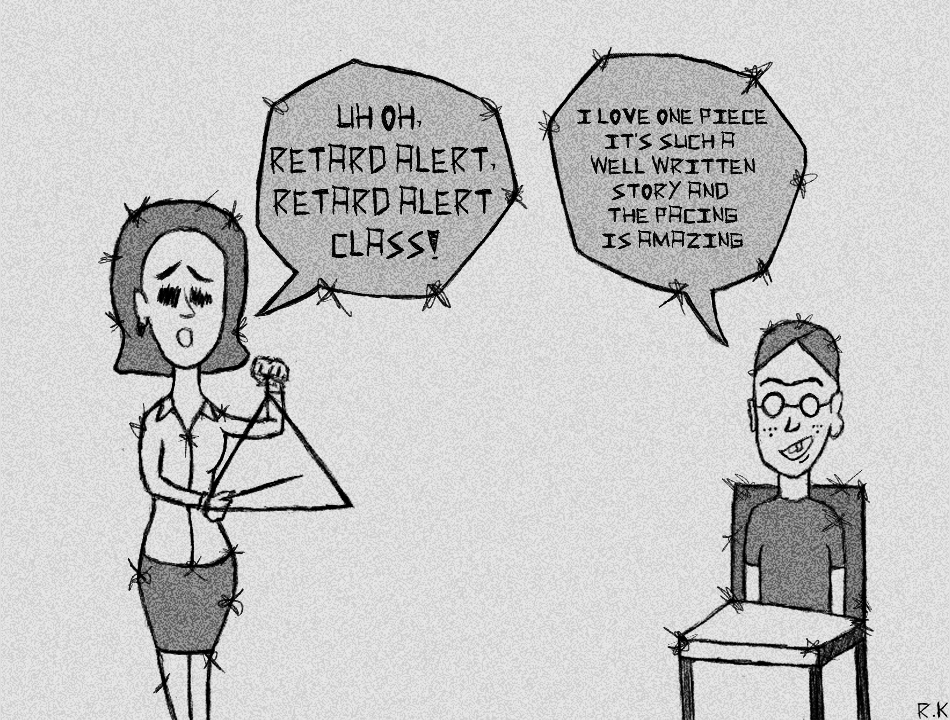
One Piece stans get weirdly defensive about this topic, which honestly makes the whole thing funnier. Because the same stanbase acknowledges every political theme in One Piece, corruption, conspiracy, slavery, class oppression, genocide, false propaganda, and child abuse, but the second somebody mentions race representation, suddenly everybody has a Pikachu face.
The irony is that One Piece actually ‘’used to be’’ one of the more socially conscious mainstream anime franchises. The Arlong Park arc, the Sabaody Archipelago arc, and the Fish-Man Island arc are basically social commentary on racism, which is why the visual contradictions stand out even more. It’s like the series understands the concept of oppression, but still ‘’accidentally’’ reproduces certain aesthetic biases anyway.
The Truth Behind The Racism:
I’m not even going to sugarcoat it. Racism in media is definitely an evil boardroom conspiracy. Just look at how black people have been portrayed over the centuries with caricatures like ‘’Blackface’’. What One Piece and Toei Animation are doing is definitely a preference. Repeated beauty standards. Tiny artistic decisions made over decades that slowly shape how audiences perceive who looks “good,” “safe,” or “heroic.”
Conversations like this matter even when they make fandoms uncomfortable. Not because anime is secretly KKK propaganda. But because art reveals the biases societies normalize without noticing.
Conclusion:
Maybe the real question isn’t whether One Piece is racist. Maybe the scarier question is why so many people become enraged the moment anyone points out the possibility? That may say more about the people supporting the series.


Comments